

Natural, immersive narration for documentaries, factual films and long-form storytelling.
Warm, intelligent and story-driven delivery that guides the audience without overpowering the visuals.
Documentary Narration Voiceover

Real Documentary Voiceover Work
COLOSSAL BIOSCIENCES
Textured • Curious • Cinematic • Awe-Inspired
For this documentary project, the narration needed to balance scientific information with a genuine sense of discovery and wonder.
The performance combines clarity and authority with a textured, cinematic delivery, guiding the audience through the story while allowing the visuals and subject matter to remain at the centre.
MOUNTAIN MAYHEM
Restrained • Tense • Investigative • Story-Driven
For this documentary exploring the identity and story of “Green Boots” on Mount Everest, the narration needed to balance mystery, tragedy and factual storytelling without becoming sensational.
The performance uses controlled pacing and a restrained, investigative tone to build tension while keeping the focus on Tsewang Paljor’s story and the wider dangers, ethics and human realities of Everest.
A Voice That Serves the Story
Documentary narration is not about drawing attention to the voice. It is about helping the audience stay connected to the story.
I approach documentary voiceover with natural pacing, thoughtful phrasing and restraint, allowing the narration to support the visuals, interviews and music rather than compete with them.
Whether the story calls for warmth, curiosity, authority, tension or quiet reflection, I tailor the performance to the subject, audience and rhythm of the edit.
Documentary Narration Styles
Nature & Wildlife
Curious, intimate narration that brings audiences closer to the natural world.
Science & Discovery
Clear, intelligent storytelling that makes complex ideas engaging and accessible.
True Crime
Restrained, sensitive delivery that builds tension without sensationalising the story.
Human Stories
Warm, empathetic narration for personal stories, communities and social impact films.
History
Grounded & authoritative with the pacing & gravitas to carry the stories.
Adventure & Expedition
Energetic, cinematic storytelling for exploration, travel and stories of human endurance.
Why Work With Steve

Over a Decade of Experience

Broadcast-Quality Studio
Live-Directed Sessions
Long-Form Consistency

Production-Ready Audio

Neutral & South African English
What Great Documentary Narration Needs
Pacing That Supports the Edit
Giving images, interviews and emotional moments the space they need.
Long-Form Consistency
Maintaining tone, energy and performance across episodes and recording sessions.
Natural Storytelling
Narration that sounds understood and communicated, not simply read.
Editorial Awareness
Understanding how narration works alongside music, interviews, archive footage and sound design.
Seamless Pickups
Matching previous recordings closely when scripts or edits change.
Frequently Asked Questions About Documentary Narration
-
Documentary narration rates depend on the script length, project scope, usage and recording requirements. Send me your script or approximate word count, along with the project details, and I’ll provide a clear quote.
-
Ideally, send me the script or approximate word count, documentary length, intended usage, deadline and any creative direction or reference material. If you require a live-directed session or have specific technical requirements, include those too.
-
I narrate documentaries covering nature and wildlife, science and discovery, history, true crime, human stories, travel, adventure and expedition, as well as other factual and long-form productions.
-
The voice should serve the story. Depending on the subject, that might mean curious and intimate, intelligent and informative, grounded and authoritative, restrained and tense, or warm and empathetic. I tailor the tone, pacing and level of performance to the story and the audience.
-
Yes. I can work to an existing edit, reference track or temp narration, matching the required pacing and timing while keeping the performance natural. If needed, I can also record to specific timecodes.
-
Yes. Live-directed sessions are available via Source-Connect, Zoom or Google Meet, allowing directors, producers and clients to shape the performance in real time.
-
Yes. Documentary scripts often evolve during post-production. I can record replacement or additional lines and closely match the tone, pacing and recording quality of the original session. Script changes or additional recording may incur a pickup fee depending on the extent of the changes.
-
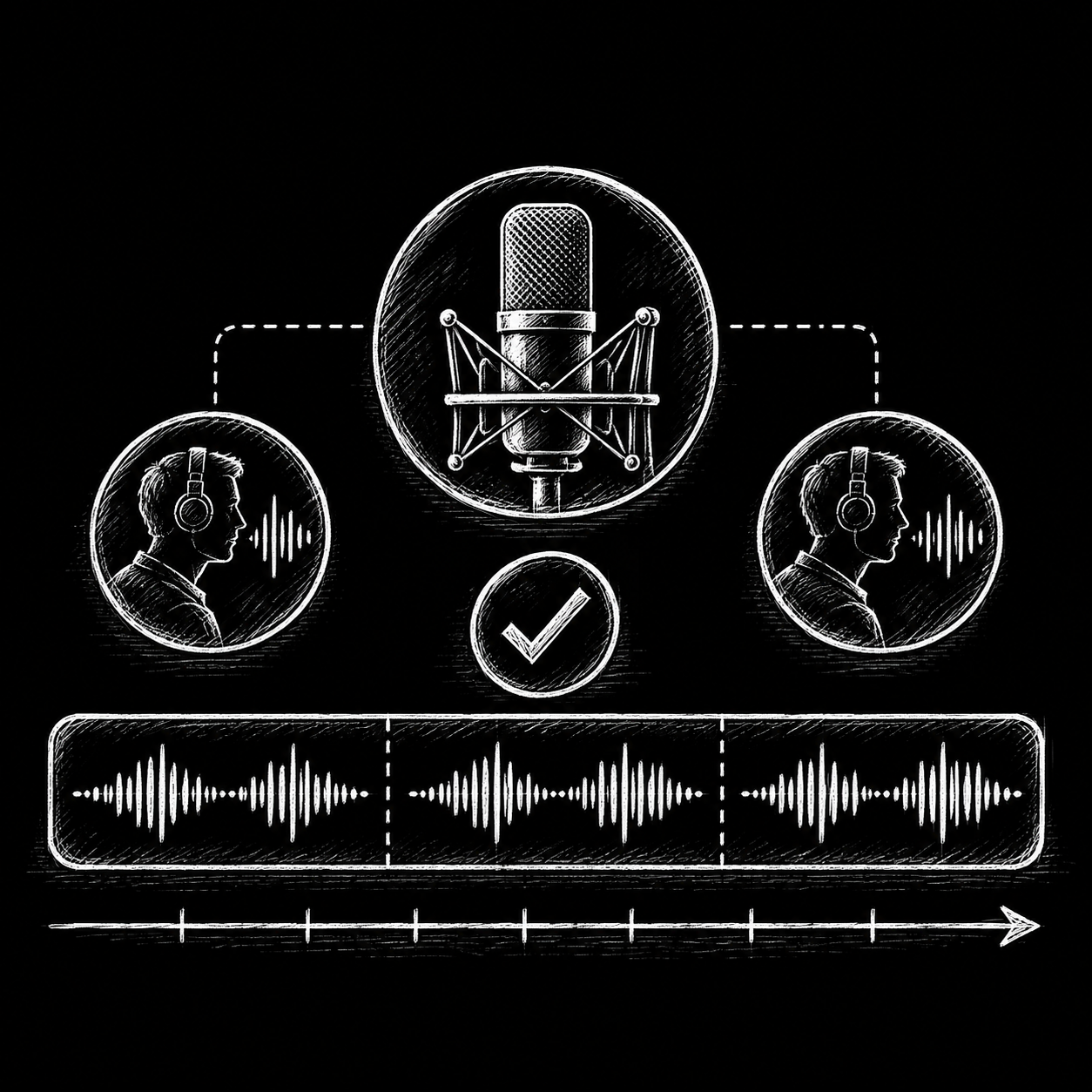
Yes. For long-form projects and documentary series, I maintain consistency in tone, pacing, pronunciation, energy and recording quality across episodes and recording sessions.
-
Most short-form documentary narration can be delivered within 24 hours, depending on availability and the project requirements. Longer documentaries, series and live-directed projects are scheduled according to script length and production deadlines.
-
Yes. Send me a short section of your script and I can record a custom demo so you can hear how I’d approach the tone, pacing and storytelling before booking.
Looking for the Right Voice for Your Documentary?
Send me your script and project details for a tailored quote, or request a custom demo to hear how I’d approach the story.